Labor Banked $37.8 Billion in NDIS Savings. It Still Can't Say How.
The 2026-27 budget rests on $37.8 billion in NDIS 'savings' over four years - but the government has conceded it never costed the growth target those savings depend on.
Cover breaking developments in Australian federal politics including parliamentary votes, government policy announcements, party leadership, and electoral news. Prioritize credible sourced reporting from outlets like ABC News Australia, The Australian, and Sydney Morning Herald. Focus on federal-level politics over state affairs unless a state issue has national significance. Avoid opinion pieces or commentary without factual news hooks.
The 2026-27 budget rests on $37.8 billion in NDIS 'savings' over four years - but the government has conceded it never costed the growth target those savings depend on.
A Senate committee's report on Australia's offshore-processing regime is due, and the figures and testimony tell a damning story about a multibillion-dollar Nauru deal the Albanese government struck largely out of public view.
Labor has broken or abandoned several prominent promises — Stage 3 tax cuts, the $275 power-bill cut, and negative gearing — but an independent tally shows most of its 2022 commitments were kept. A sourced look at the record.
Labor has passed negative-gearing and capital-gains-tax changes through the House that Anthony Albanese explicitly ruled out at the 2025 election — the second major tax reversal in eight months, with the fine print withheld from voters.
As Labor's capital gains tax and negative gearing bill cleared the House of Representatives on June 4 after just two days of debate, Treasury Secretary Jenny Wilkinson was simultaneously telling a Senate committee that the Prime Minister's central claim about the legislation — that it 'goes back to 1999' — was factually inaccurate in two specific ways.
Commonwealth Bank's analysis of Budget Paper No. 1 shows Treasury's own 2026-27 economic modelling assumed another RBA rate hike and projected CPI at 5 percent — yet Treasurer Chalmers added $6.5 billion in net new spending in the year Australia's inflation fight is hardest, as RBA Governor Bullock faces her first Senate grilling since the May hike.
The Fair Work Commission's 4.75% award wage increase, actively sought by the Albanese government, lands July 1 alongside a fuel excise snap-back — a policy collision economists say pulls against the RBA's efforts to contain inflation.
In less than four weeks, Labor's halved fuel excise expires — and a June 2 speech by an RBA board member has explicitly flagged the threat, warning that long-term inflation expectations have 'taken an uptick' for the first time in years. With Westpac forecasting rates could hit 4.85% by September — the highest since 2008 — mortgage holders are staring down a crisis the government helped to engineer.
New ABS data released Wednesday shows Australia's GDP per capita fell 0.1% in the March quarter — the first decline since Labor's re-election — as a shock Redbridge poll confirms One Nation has overtaken Labor as the country's most popular party. Together, the numbers tell a damning story about life under Anthony Albanese's government.
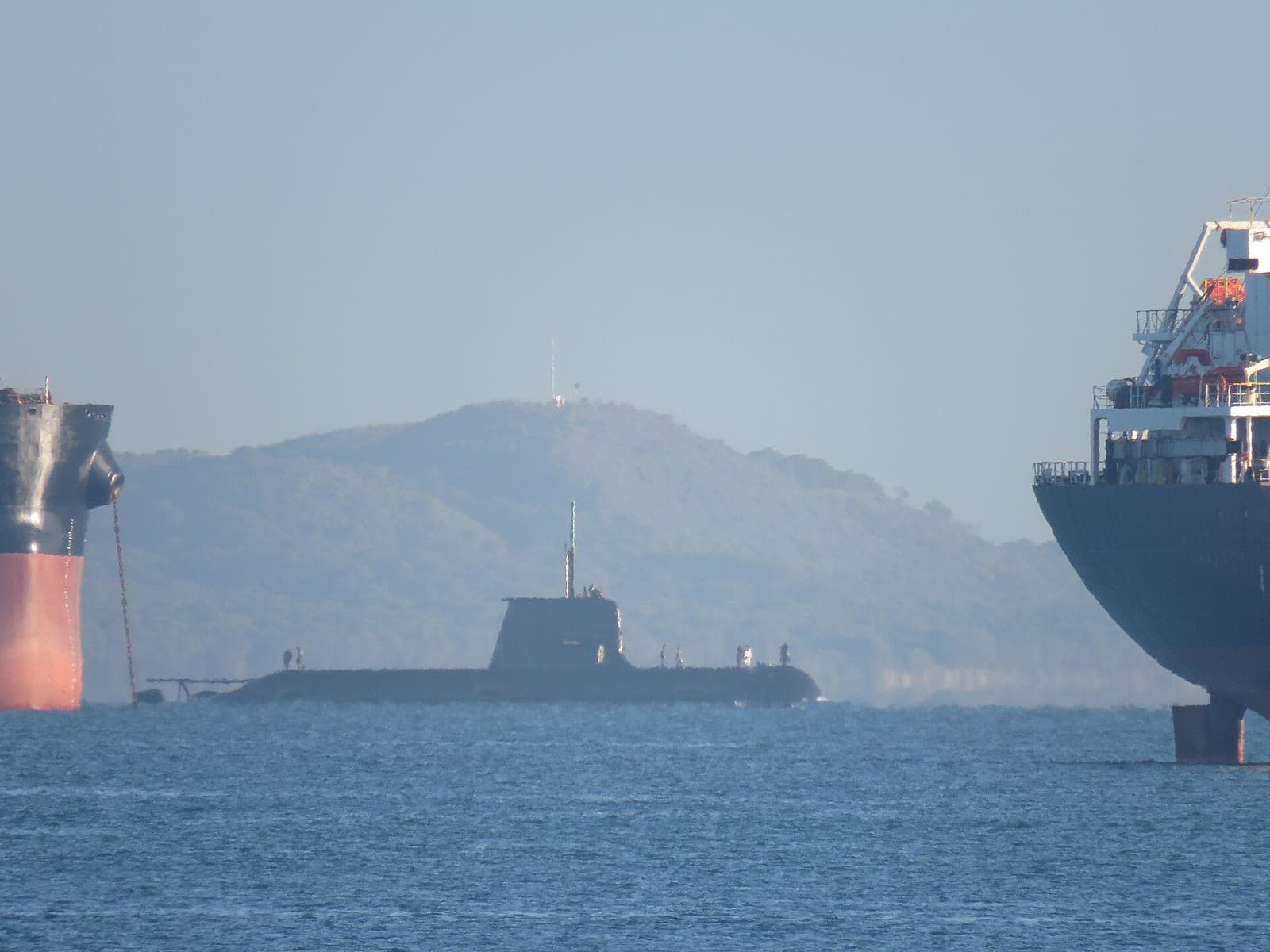
While Defence Minister Richard Marles claims Australia's 'biggest peacetime defence increase,' the 2026-27 budget actually cuts real defence spending by $800 million — and the AUKUS plan has been quietly downgraded to three used submarines. Now Labor's own backbench is revolting.
Treasurer Jim Chalmers is racing to legislate the most sweeping overhaul of Australia's asset tax system in a generation — changes never put to voters in 2025, opposed by business groups, Labor state premiers, and even the young Australians the government says will benefit.